



German Public Holidays 2027: Plan Long Weekends with a Travel Companion
The 2027 public holidays in Germany, which long weekends they create, how few leave days you need for a longer break, and how to line up dates with a companion who works in another state.
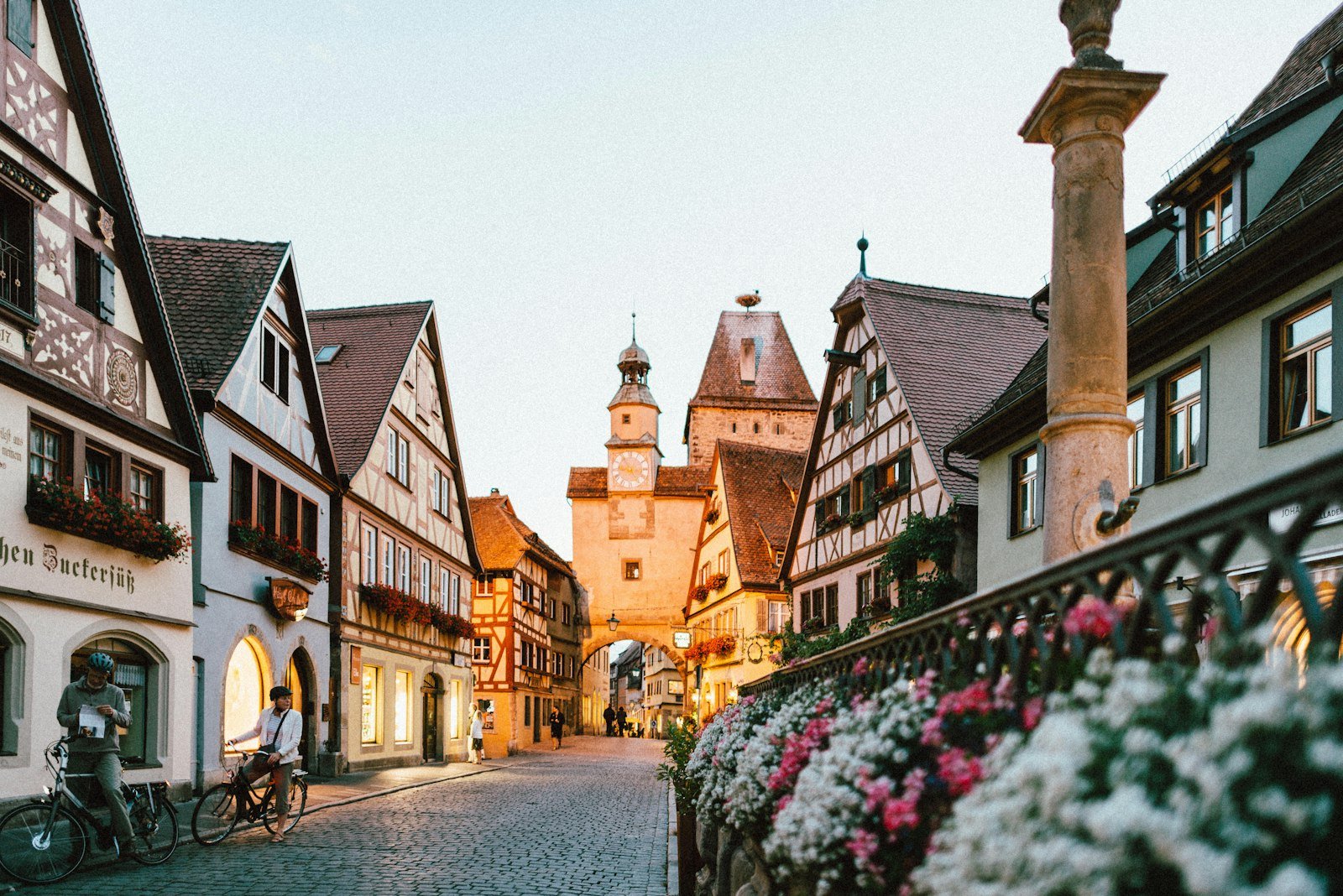
If you live in Germany, the cheapest way to get more travel out of the year is to plan around public holidays. A Thursday holiday plus one day of leave gives you four days off. The catch when you travel with someone else: holidays in Germany partly depend on the federal state, and your companion may live somewhere with a different calendar.
This guide lists the 2027 dates, shows which long weekends they create, and suggests how to agree on dates with a travel companion early.
Nationwide public holidays in 2027
These holidays apply in all federal states (source: Deutsche Bundesbank, "Feiertage in Deutschland 2027", checked November 2026):
| Date | Day | Holiday |
|---|---|---|
| 1 January | Friday | New Year's Day |
| 26 March | Friday | Good Friday |
| 29 March | Monday | Easter Monday |
| 1 May | Saturday | Labour Day |
| 6 May | Thursday | Ascension Day |
| 17 May | Monday | Whit Monday |
| 3 October | Sunday | Day of German Unity |
| 25 December | Saturday | Christmas Day |
| 26 December | Sunday | Second Day of Christmas |
In 2027, Labour Day, the Day of German Unity and both Christmas holidays fall on a weekend, so the spring holidays carry most of the year's long-weekend potential.
Regional holidays that matter for trips
Some holidays only apply in certain states (source: DGB holiday overview and the Rhineland-Palatinate Ministry of the Interior, checked November 2026):
- 6 January (Wednesday), Epiphany: Baden-Württemberg, Bavaria, Saxony-Anhalt.
- 8 March (Monday), International Women's Day: Berlin, Mecklenburg-Western Pomerania.
- 27 May (Thursday), Corpus Christi: Baden-Württemberg, Bavaria, Hesse, North Rhine-Westphalia, Rhineland-Palatinate, Saarland, and parts of Saxony and Thuringia.
- 1 November (Monday), All Saints' Day: Baden-Württemberg, Bavaria, North Rhine-Westphalia, Rhineland-Palatinate, Saarland.
- 17 November (Wednesday), Day of Repentance and Prayer: Saxony.
Which calendar applies to you usually depends on where you work, not where you live. If you commute across a state border, check with your employer.
Long weekends and bridge days in 2027
The ideas below are simple calendar arithmetic based on the dates above, counting a normal Monday-to-Friday working week. Your own contract, shift pattern or school holidays may change the picture.
Easter (26–29 March): four days off without using leave. With four leave days (30 March to 2 April) you get ten days in a row, from 26 March to 4 April. Alternatively, take 22 to 25 March to get 20 to 29 March.
Ascension (Thursday, 6 May): take Friday 7 May off and you have four days, Thursday to Sunday. This is a classic short city break or hiking weekend.
Whitsun (15–17 May): a three-day weekend on its own. With four leave days (18 to 21 May) it becomes nine days, from 15 to 23 May.
Corpus Christi (Thursday, 27 May), regional: in the states listed above, one leave day on Friday 28 May gives another four-day weekend. If you can combine Whitsun and Corpus Christi, eight leave days (18–21 May, 24–26 May and 28 May) give you sixteen days, from 15 to 30 May.
All Saints' Day (Monday, 1 November), regional: a three-day weekend from 30 October to 1 November without leave.
New Year (Friday, 1 January): a three-day weekend. In Baden-Württemberg, Bavaria and Saxony-Anhalt, four leave days (4, 5, 7 and 8 January) around Epiphany stretch it to ten days, from 1 to 10 January.
When your companion lives in another state
This is where planning together gets interesting. A friend in Munich has Corpus Christi off; a friend in Berlin does not, but has 8 March. A few ways to handle it:
- Start from the nationwide holidays. Easter, Ascension and Whitsun work for everyone in Germany, so they are the easiest dates for a shared trip.
- Let one person use a regional holiday. If only one of you has the Thursday off, the other can take one extra leave day. Agree openly on who uses how much leave; it is a real cost.
- Agree on dates before booking anything. Popular long weekends tend to fill up. Fix the dates first, then compare transport and accommodation together.
- If friends or family are visiting from abroad, their holidays will not match the German calendar. Treat their dates as fixed and build around them.
For the conversation itself, our guide on questions to ask before traveling together covers budget, pace and expectations, and planning a group trip together helps once more than two people are involved.
Looking for someone to share a long weekend with?
If you know when you are free but not who to go with, put the dates into your plan. "Ascension weekend, 6–9 May, Thursday to Sunday, leaving from Stuttgart" is far easier to answer than "sometime in spring". You can share a public trip on meet4trips with your dates and rough route so people with the same days off can find it, or browse existing public trips for ideas. Our guide on how to find a travel companion online explains how to write a clear plan and what to check before you commit.
A note on sources: dates are taken from the Deutsche Bundesbank's 2027 holiday list, the DGB overview and the Rhineland-Palatinate Ministry of the Interior. Holiday rules can change, so check your state's official calendar before booking.
Ready to try it in Meet4Trips?
Find a Trip