



What Makes Travel Groups Successful on the Road
Successful travel groups share a vibe, plan with anchors, spread decisions, handle money early, and treat flexibility and trust as part of the trip.
A group trip can start with a simple message: “Barcelona this fall? Then comes the part that decides whether it becomes tapas at midnight and sunlit walks through Park Güell, or a dead group chat full of thumbs-up reactions.
What makes travel groups successful is not having identical personalities or a color-coded itinerary. It is having enough shared rhythm to make decisions, handle surprises, and enjoy the destination together.
The best groups do not magically avoid tension. They create a trip structure that keeps small differences from becoming big problems.
A night owl can travel well with an early riser. A museum person can have an amazing week with a beach person.
But both need to know what kind of trip they are joining before flights are booked.
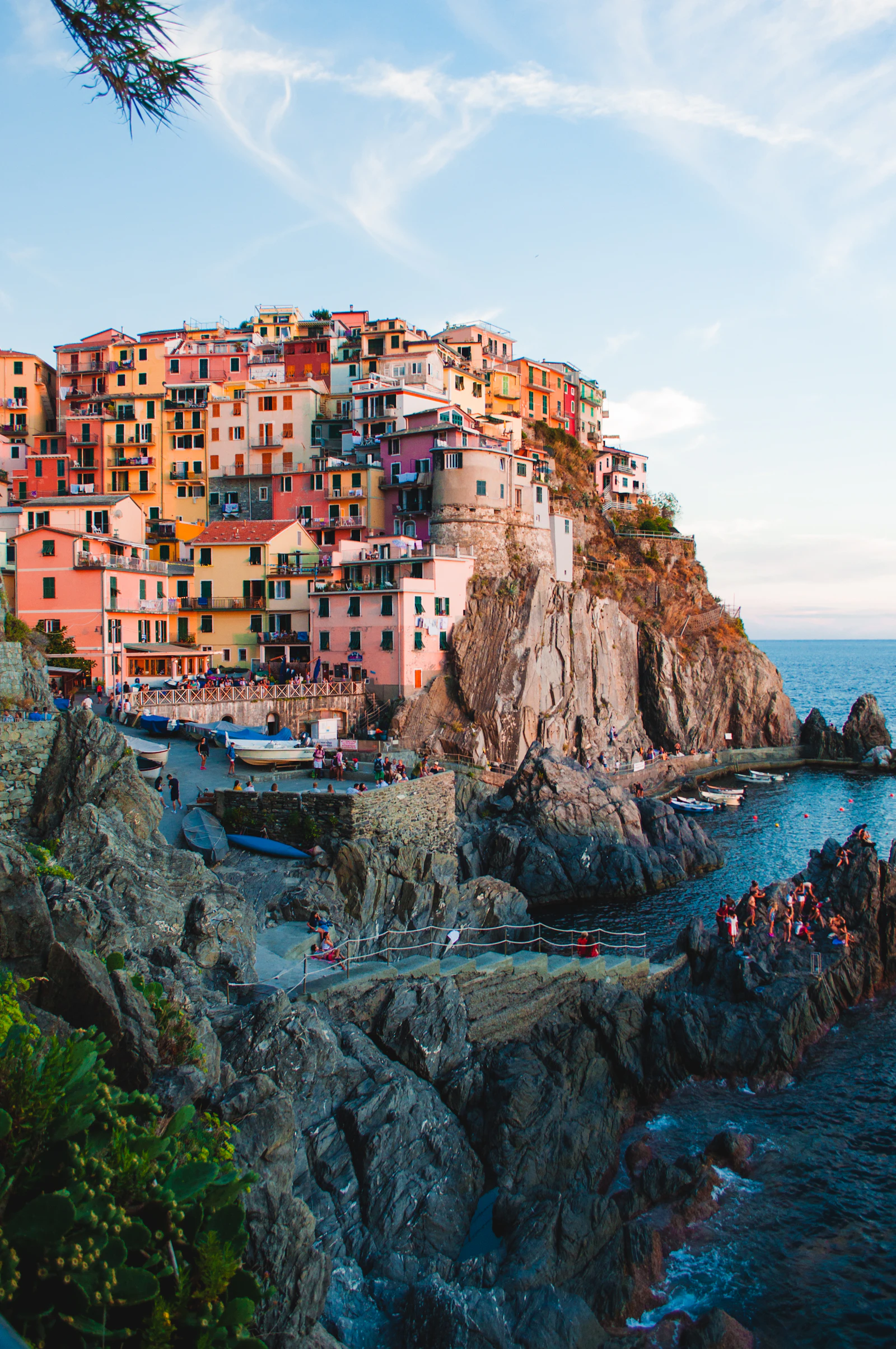
Successful travel groups start with the right vibe
Compatibility is the foundation. It matters more than whether everyone has been to the destination before, knows the same people, or wants the same restaurant recommendations.
Travel style shows up in practical ways: budget, pace, sleep schedule, comfort level, food preferences, and how much structure each person wants. One traveler may want a packed day of historic neighborhoods, galleries, and a reservation at 8 p.m. Another may prefer coffee without a schedule, wandering side streets, and choosing dinner at the last minute. Neither approach is wrong.
The problem begins when those expectations stay unspoken. Before committing, talk about the trip beyond the highlight reel.
Ask whether people prefer shared rooms or private space, early starts or slow mornings, splurges or a strict daily budget. Ask how they feel about nightlife, long transit days, and changing plans once you arrive.
These are not awkward questions. They are how a group protects the fun.
For solo travelers joining a new group, this step is especially valuable. Matching by vibe means looking for more than a destination match.
You want people who make the experience feel easier, safer, and more energizing. A shared interest in Florence is a great start.
A similar idea of what a good day in Florence looks like is better.
Clear plans create momentum, not limits
A successful group needs a plan, but not a minute-by-minute script. The goal is to give everyone confidence that the trip is moving forward while leaving room for the moments nobody could have planned.
Start with the decisions that affect everyone: destination, dates, approximate budget, transportation, accommodations, and the few activities that require advance booking. Once those are settled, the group can build around them without reopening the basics every few days.
A shared planning space helps because it turns scattered messages into visible choices. Everyone can see the proposed neighborhood, compare flight windows, add a food market or day trip, and understand what still needs a decision.
That saves the group from the classic problem of someone saying, “Wait, I thought we were staying near the beach.”
Plan the anchors, then leave space
The strongest itineraries usually have a few anchors each day: a walking tour, a train departure, a museum ticket, a dinner reservation, or a day trip. Around those anchors, leave open time for a bakery you spot on the corner, a longer stop at a viewpoint, or an afternoon when half the group wants to rest.
Too little planning creates decision fatigue. Too much planning makes people feel managed.
The right balance depends on the group and the destination. A long weekend in Paris may benefit from a handful of reservations.
A road trip with friends may need only a route, places to sleep, and a loose agreement about how far to drive each day. Reusable trip templates can make this easier.
Starting with a destination-led outline gives the group a real shape to react to, rather than asking everyone to invent a trip from a blank page. Then you can customize it based on your shared vibe.
Shared decisions prevent one-person burnout
Every group has a natural organizer. They are the person who finds the flight options, remembers passport rules, and notices that the apartment only has one bathroom for six people.
Their energy is valuable. It should not become an unpaid full-time job.
Successful travel groups spread responsibility in a way that feels fair. One person can research neighborhoods, another can compare accommodations, and someone else can own the first-night dinner or train logistics.
This does not require a formal committee. It simply means the group recognizes that planning is part of the trip.
Shared ownership also leads to better buy-in. People are more excited about a day trip they helped choose, and they are less likely to complain about a budget choice they helped set.
If one traveler cares deeply about food, let them shape the restaurant shortlist. If another loves local history, let them propose the walking route.
Give people room to contribute what they enjoy. There is a trade-off here.
Group voting on every tiny detail can slow everything down. Use consensus for major decisions, then let designated people make lower-stakes calls.
Not every coffee stop needs six approvals.
The best groups communicate early and directly
Most group travel friction comes from assumptions, not bad intentions. Someone assumes costs will be split evenly.
Someone else assumes they can opt out of a pricey dinner. One person thinks everyone is meeting in the lobby at 9, while another thinks the plan is “sometime in the morning.
Clear communication is not about making the trip feel corporate. It is about being considerate.
Confirm money expectations before booking. Say when you need alone time.
Mention if you are not comfortable sharing a room, taking overnight buses, or going out late in an unfamiliar area. It also helps to normalize opting out.
Travelers do not need to do every activity together for a trip to feel shared. In fact, the healthiest groups make space for different energy levels.
Two people can spend an afternoon browsing vintage shops while the rest visit a museum, then meet back up for dinner with new stories to tell.
Handle money before it gets weird
Budget is one of the fastest ways a good travel vibe can unravel. Set a realistic spending range before booking, including flights, lodging, local transportation, meals, activities, and a little extra for surprises.
The important part is not that everyone spends exactly the same amount. It is that no one is pressured into spending beyond what they agreed to.
A group can mix free city walks with one special dinner. It can choose a more affordable place to stay and save for a cooking class.
The best choice is the one the group can enjoy without resentment.
Flexibility is a group travel skill
Flights get delayed. Rain arrives on the day you planned a beach escape.
A restaurant with amazing reviews turns out to be closed. Successful groups recover because they treat disruptions as a shared problem, not a reason to blame someone.
That attitude begins before departure. Build in time buffers for transfers, avoid scheduling every hour, and keep a short list of backup ideas.
More importantly, decide that the trip does not have to go exactly as planned to be good. Flexibility also means noticing the group’s mood.
If everyone is tired after a red-eye flight, forcing a full sightseeing day may create tension that lasts all week. Sometimes the smartest itinerary adjustment is a long lunch, a nap, and a lower-key evening.
Travel is meant to feel alive, not like a test of endurance.
Trust and safety make connection possible
For groups meeting through a travel community, trust deserves real attention. See also Meeting a Travel Companion for the First Time.
Verify the practical details, be transparent about expectations, and choose accommodations and meeting plans that make everyone feel comfortable. New travel friendships can become a huge part of the adventure, but confidence comes from clarity, not guesswork.
Share arrival details, establish a way to communicate if someone gets separated, and respect personal boundaries from the start. If someone says they would rather head back early or skip an activity, accept it without making them feel like they are ruining the plan.
A welcoming group has room for different backgrounds, habits, and travel experience levels. The goal is not to make everyone behave the same way.
It is to create enough mutual respect that everyone can show up as themselves. Meet4Trips is built around this reality: great trips come together faster when travelers can find compatible people and build the plan in the same place.
The destination sparks the idea. The group’s shared energy is what carries it forward.
The trip you remember may not be the one where every reservation went perfectly. It may be the rainy afternoon that became a long café conversation, the missed turn that led to a local market, or the strangers who became your favorite people to travel with.
Start with the right vibe, make the big decisions clear, and leave enough room for the road to surprise you.
Ready to try it in Meet4Trips?
Search Public Trips